Free & Budget Camping in Japan: The Complete Guide
Japan is one of the best countries in the world for budget camping. Dozens of free riverside sites, subsidized municipal campgrounds, and basic tent areas let you camp for ¥0 to ¥2,000 per night — a fraction of what you would spend on even a budget hotel. This guide covers every type of free and cheap camping option, where to find them, and how to make the most of camping in Japan without breaking the bank.
Is free camping actually possible in Japan?
Yes — and it is more common than most visitors expect. Japan has a well-established culture of low-cost outdoor recreation that dates back decades. Local governments across the country operate free or heavily subsidized campgrounds as public amenities, similar to how they maintain parks and community centers. The Ministry of Land, Infrastructure, Transport and Tourism manages many riverbanks where camping is permitted, and prefectural governments run outdoor recreation areas with nominal fees.
The catch is that "free" in Japan usually means minimal facilities. You will not find the full-service experience of a paid auto camp site at a free campground. What you get is a flat piece of ground, maybe a toilet, and the freedom to pitch your tent without paying. For many campers — especially those traveling long-term, touring by bicycle, or backpacking on a gap year — that trade-off is more than worth it.
If you are new to camping in Japan entirely, start with our beginner's guide to camping in Japan for a full overview of how campgrounds work, what to expect, and how to navigate the booking process. Then come back here for the budget-specific strategies.
Types of free camping sites in Japan
Free camping in Japan is not a single experience — it ranges from well-maintained municipal grounds with clean toilets to bare gravel riverbanks with nothing but a view. Understanding the different types helps you pick the right option for your comfort level and gear setup.
Riverside gravel bar camping (河川敷キャンプ / kawara camping)
River gravel bars — called kawara (河原) — are the most iconic form of free camping in Japan. These are wide, flat, rocky areas along rivers managed by the national government under river law. Because the land is public and not privately owned, camping is generally tolerated or explicitly permitted.
The experience is raw: you camp on loose gravel next to flowing water, with zero facilities. No toilets, no water taps, no fire pits. You bring everything and take everything home. The upside is stunning scenery, the sound of the river, and complete freedom. Popular kawara camping areas include the rivers running through the Tanzawa mountains in Kanagawa, where spots along the Nakatsugawa and Sagami rivers draw campers every weekend from spring through autumn.
Important safety note: Kawara sites sit in the flood plain. During heavy rain — especially in the June-July rainy season (tsuyu) and typhoon season (August-October) — water levels can rise dangerously fast. Never camp on a gravel bar when rain is forecast upstream. Check the Ministry of Land river monitoring site for real-time water levels before heading out.
Municipal campgrounds (市営キャンプ場)
City and town governments across Japan operate campgrounds as public facilities. These are subsidized by local tax revenue, which is why they can charge so little — often ¥0 to ¥500 per person per night. Municipal campgrounds represent the sweet spot for budget campers: they are free or nearly free, yet typically offer basic facilities including toilets, water taps, and sometimes covered cooking areas.
The trade-off is access. Municipal campgrounds often require advance registration at the local city hall (shiyakusho, 市役所). This can mean a phone call in Japanese or an in-person visit during business hours. Some sites have shifted to online forms, but Japanese-only paperwork is common. Our guide on booking Japanese campgrounds without speaking Japanese covers practical strategies for navigating this process.
Examples include youth outdoor centers (seishonen hiroba, 青少年広場) originally built for scout groups and school camping trips that are now open to the general public, and prefectural forest parks with designated tent areas.
Public parks with camping areas (公園キャンプ場)
Some large public parks — particularly coastal and mountain parks — designate areas where tent camping is permitted. These are distinct from regular city parks where camping is not allowed. Park campgrounds tend to be better maintained than riverside sites, with mowed grass, marked boundaries, and access to park restrooms.
Futtsu Park Campground in Chiba is a good example — a seaside park with camping from just ¥550 per night, right on Tokyo Bay. The Biotopia Auto Camp in Kanagawa is another, offering sites from ¥500 in a well-maintained prefectural park setting.
Michi-no-eki and roadside rest areas
Japan's network of michi-no-eki (道の駅) — roadside rest stations — is a lifeline for budget road-trip campers. While overnight camping is not officially permitted at most michi-no-eki, overnight parking is widely tolerated, and some stations have adjacent campgrounds or designated areas for van and car campers. These stations have clean toilets, vending machines, and often local food vendors.
This is a gray area: sleeping in your car in the parking lot is generally accepted as part of safe driving culture (resting before continuing your journey), but setting up a tent, chairs, and a full camp kitchen in the parking lot is not. Use common sense and keep a low profile if you go this route.
Best free campgrounds near Tokyo
The greater Tokyo area — spanning Kanagawa, Chiba, Saitama, and western Tokyo — has a surprising density of free and ultra-cheap campgrounds within 1-2 hours of the city center. Here are some of the best options for budget campers based near the capital.
Kanagawa Prefecture
Kanagawa is the closest prefecture to central Tokyo with abundant free camping. The Tanzawa mountain range and its rivers are the main draw.
- Ikego West Valley Campground — A free municipal campground in Yokosuka with basic facilities. Popular with families on weekends; registration required through the city office.
- Nature Center Izumi (Berry Campsite) — Free campsite run by the nature center in Izumi. Has toilets and water. A good option for a quick overnight near Sagamihara.
- Izumi no Mori Fureai Campsite — Free to use municipal campground with basic toilet and water facilities. Register at the office on arrival.
- Tashiro Sports Park — A municipal sports ground in Kanagawa with a camping area from just ¥150 per night. Basic facilities but well-maintained.
- Konomasawa Keiryuen — Mountain stream campsite near Tanzawa from ¥100. Minimal facilities but a beautiful riverside location popular with experienced budget campers.
Chiba Prefecture
Chiba's Boso Peninsula offers coastal and forest camping at rock-bottom prices, especially inland.
- Futtsu Park Campground — Seaside camping on Tokyo Bay from ¥550 per night. One of the most accessible budget campgrounds from Tokyo — just over an hour by train and bus.
- Inagasaki Campground — A peaceful forested campground in Kimitsu from ¥1,100 per night. Clean facilities and a river nearby for swimming in summer.
Budget campgrounds under ¥2,000 per night
If you want a step up from free camping — actual facilities, a designated site, maybe even a shower — Japan has plenty of campgrounds in the ¥500 to ¥2,000 range. This price bracket gives you a vastly better experience than free sites while still costing less than a single meal at a mid-range restaurant.
For the full breakdown of budget camping strategies, including where to find the cheapest gear and food, see our dedicated budget camping guide.
Best value picks under ¥2,000
- Biotopia Auto Camp (Kanagawa, from ¥500) — Drive-in sites in a well-maintained prefectural park. Toilets, water, and a small shop nearby. One of the best value auto camps near Tokyo.
- Tamagawa Green Barbecue Square (Kanagawa, from ¥500) — Riverside BBQ and camping area along the Tamagawa river. Basic but functional facilities at an unbeatable price.
- TINY CAMP VILLAGE (Kanagawa, from ¥1,000) — A compact but well-designed campground with a friendly atmosphere. Free sites available alongside paid options.
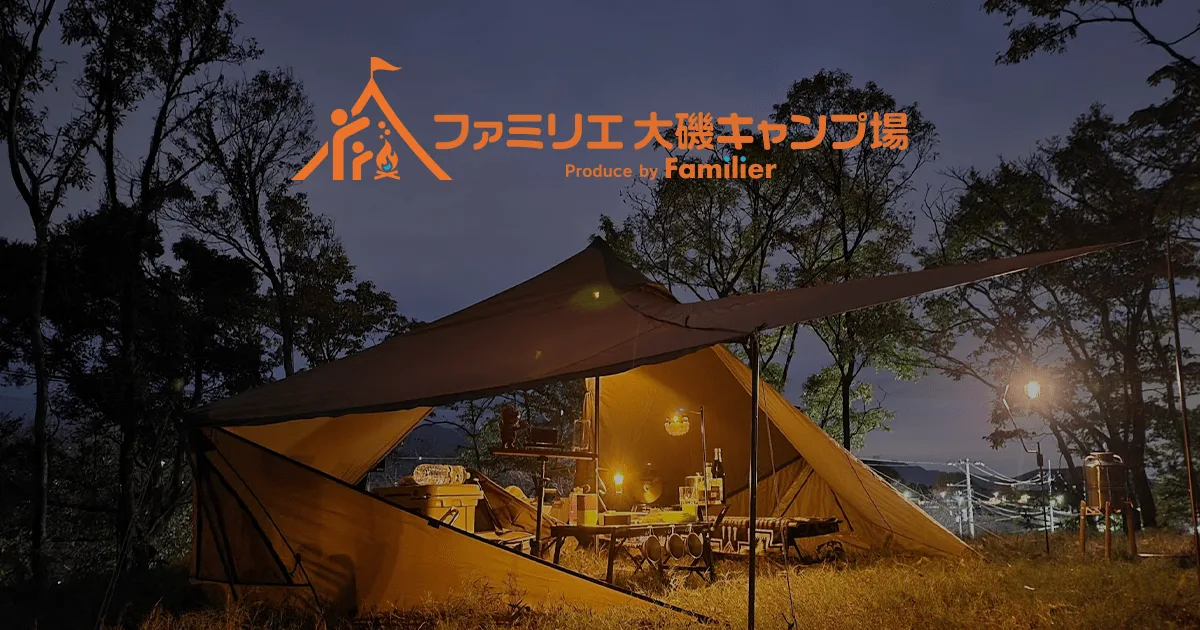
- Family Oiso Campsite (Kanagawa, from ¥1,000) — Family-oriented campsite near the Oiso coast. Basic facilities with free sites available. Good for a beach-and-camp combination trip.
- Miroku Campsite (Kanagawa, from ¥1,000) — Mountain campsite with a laid-back atmosphere and clean facilities. Free sites available alongside paid pitches.
- Gandhara Manazuru Seaside Campsite (Kanagawa, from ¥1,000) — Seaside camping on the Manazuru Peninsula. Ocean views and swimming access at a budget price point.
- Auto Camp Ocean View Kamogawa (Chiba, from ¥1,100) — Hillside campground overlooking the Pacific Ocean. Auto camp sites with electricity at an unusually low price for ocean-view camping.
- RECAMP Tateyama (Chiba, from ¥2,000) — Part of the popular RECAMP chain, this Tateyama location offers well-maintained facilities at the budget end of the RECAMP price range. Near beaches and hiking.
Budget campgrounds under ¥2,000
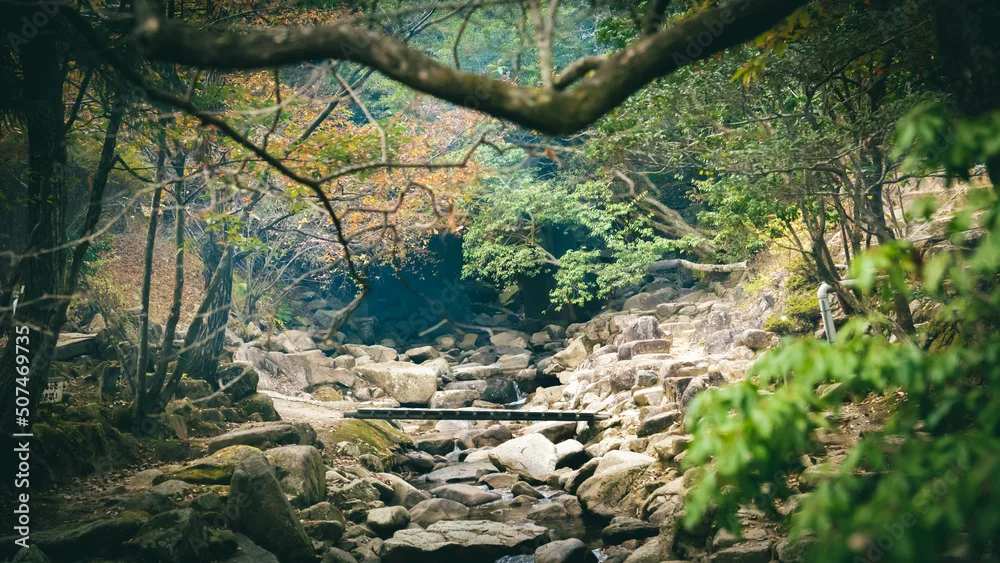
Feel Nature Campbase
feelnature campbase
Katsuura
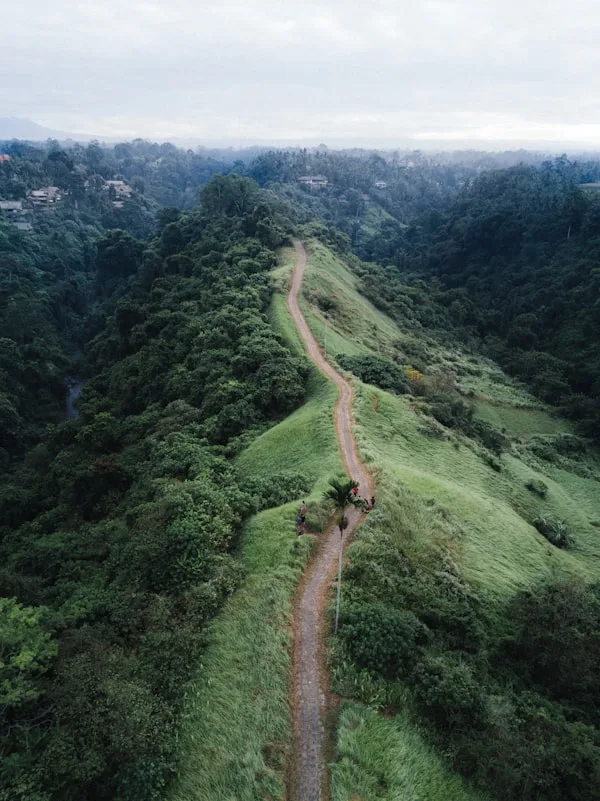
Lotus Camp Village
Oiso
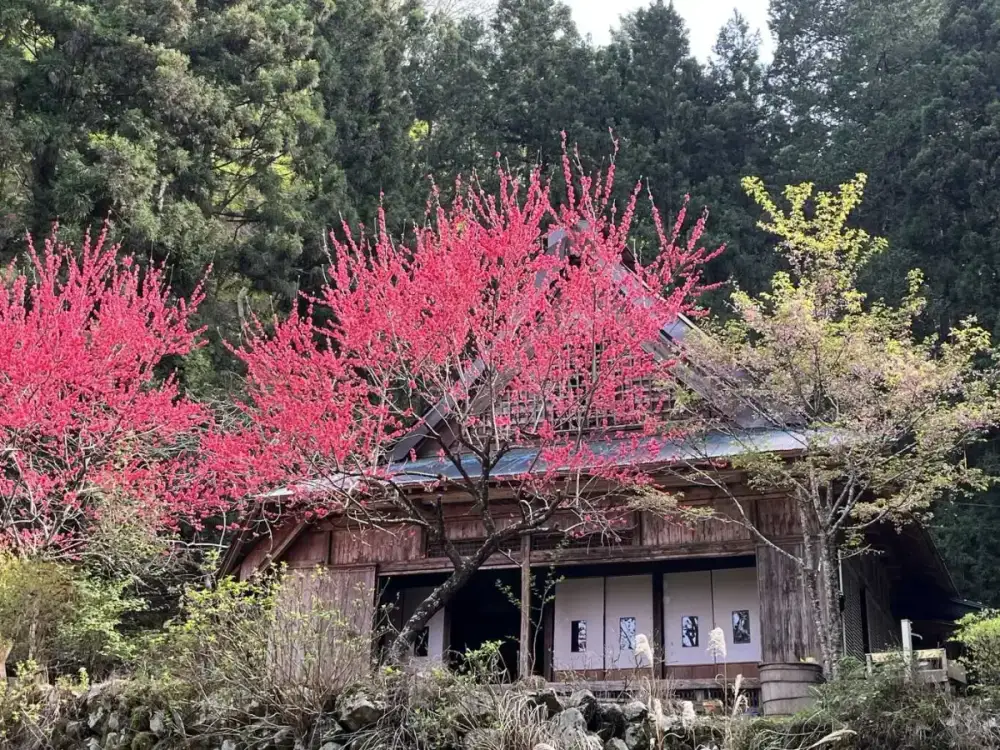
Private Camp TSUMUGI
プライベートキャンプ場 紬(TSUMUGI)
Hinohara

Nishitanzawa Otaki Campsite
西丹沢 大滝キャンプ場
Yamakita
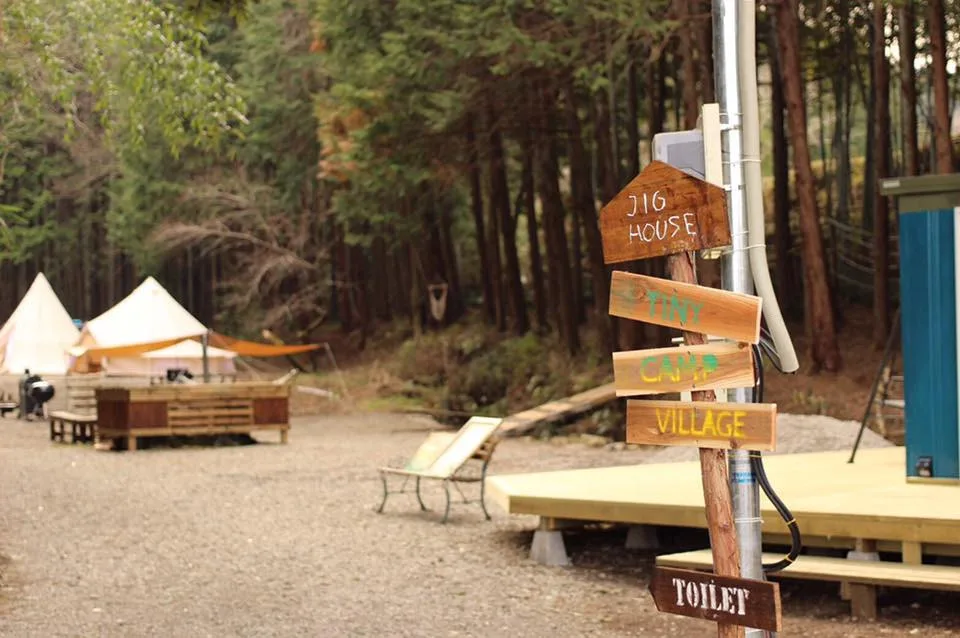
Tiny Camp Village
TINY CAMP VILLAGE
Atsugi
Family Oiso Campsite
ファミリエ 大磯キャンプ場
Oiso
Wild camping legality in Japan
This is the question every budget traveler asks, and the answer is nuanced. Japan does not have a legal framework like Scandinavia's "right to roam" (allemansratten) that explicitly permits camping on undeveloped land. In general, pitching a tent on land you do not own or have permission to use is trespassing under Japanese civil law.
In practice, however, the situation is more permissive than the strict legal reading suggests:
- Riverbanks managed under river law (河川法) — These are public land. Camping is not explicitly prohibited on most river gravel bars, and it is widely practiced. Some local governments have posted signs designating specific kawara areas for recreational use including camping. Others have signs prohibiting camping — always check.
- National parks — Camping is restricted to designated campgrounds within national parks. Off-trail backcountry camping is generally not permitted. However, mountain huts (yamagoya) along hiking trails sometimes have adjacent tent platforms for a small fee.
- Private land — Never camp on private land without permission. In rural Japan, land that looks "empty" almost always has an owner. Fields, forests, and coastal areas may all be privately held.
- Beaches — Rules vary by municipality. Some beaches allow camping (especially in Chiba and Shizuoka), while others explicitly prohibit it. Look for signs or ask at the nearest tourism office.
The safest strategy for budget campers: use designated free campgrounds and kawara sites rather than attempting true wild camping. Japan has enough free legal options that you rarely need to go off-grid entirely.
How to find free camping sites in Japan
Free campgrounds in Japan are poorly indexed in English. Most do not have websites, and the ones that do are Japanese-only. Here are the most effective methods for finding them.
Japanese camping databases
Nap-camp (なっぷ) is the largest campground database in Japan. You can filter by price (料金) and find sites listed as free (無料). Use Chrome's built-in translation to navigate. The site includes user reviews with photos, which helps you judge the actual condition of free sites.
Google Maps in Japanese
Search Google Maps for 無料キャンプ場 (free campground) or 河川敷キャンプ (riverside camping) in the area you plan to visit. User-submitted photos and reviews often reveal free camping spots that have no official web presence. Switch Google Maps to Japanese to get more results — many free sites only appear in Japanese search results.
Municipal government websites
City and town websites list public recreation facilities including free campgrounds. Search for the prefecture or city name plus キャンプ場 (campground). The Kanagawa Prefecture website, for example, lists municipal recreation areas across the prefecture.
Japanese camping blogs and YouTube
Japanese campers document free sites extensively on personal blogs and YouTube channels. Search YouTube for 無料キャンプ場 plus a prefecture name to find video walkthroughs of free sites, including access routes and facility conditions. These are invaluable for assessing whether a free site meets your needs before you travel there.
JaCamp directory
Our campground directory includes free and budget campgrounds with English descriptions, directions, and facility details. We are continuously expanding coverage of free and low-cost sites across the Kanto region.
What you need for budget camping in Japan
Free and budget campgrounds provide less — sometimes nothing at all. Your gear list needs to account for that. Here is what separates budget camping gear needs from a regular campground stay.
Essential gear for free sites
- Water containers — Free sites may not have running water. Bring at least 2 liters per person per day, plus extra for cooking.
- Portable stove and fuel — No cooking facilities at most free sites. A compact gas stove (CB can type) from any convenience store costs about ¥400-600 for fuel.
- Ground sheet / tarp — Kawara camping means gravel. A thick ground sheet protects your tent floor. Budget option: a blue tarp (buru shiito) from any home center for ¥300-500.
- Thick sleeping pad — Gravel is unforgiving. An inflatable pad or thick foam pad makes the difference between sleeping and suffering. Workman sells basic foam pads from ¥1,500.
- Headlamp — Free sites have no lighting. A headlamp is essential, not optional.
- Garbage bags — Japan's "pack in, pack out" culture is absolute at free sites. Bring multiple bags and separate your waste: burnable, plastic, cans, and bottles.
- Toilet paper — Free riverside sites have no toilet. Even municipal free sites sometimes run out. Always carry your own.
- Cash — Any campground that charges a fee will be cash-only. ATMs are available at any convenience store (7-Eleven, FamilyMart, Lawson).
Where to buy budget gear in Japan
You do not need to bring camping gear from home. Japan has excellent budget outdoor stores:
- Workman (ワークマン) — Originally a workwear chain, now sells surprisingly good budget camping gear. Tents from ¥5,000, sleeping bags from ¥2,000. The "FieldCore" line is designed for outdoor use.
- Daiso / Seria / Can Do — 100-yen shops stock headlamps, cutlery, fire starters, garbage bags, and basic cooking utensils. Not durable, but fine for a short trip.
- Home centers (Cainz, Kohnan, Komeri) — Sell tarps, rope, gas canisters, coolers, and larger items. Prices between Daiso and dedicated outdoor shops.
- Second-hand shops (Treasure Factory, Hard-Off) — Used camping gear at 30-70% off retail. Quality varies, but you can find major brands (Snow Peak, Coleman, Logos) for budget prices.
For a complete guide, read our article on where to buy cheap camping gear in Japan.
Tips to save money while camping in Japan
Camping is already one of the cheapest ways to travel Japan. These strategies push the daily cost even lower.
Food and cooking
- Cook at camp, not at restaurants — A pack of rice, some vegetables, and meat from a supermarket costs ¥500-800 and feeds two people. The same meal at a restaurant is ¥2,000+.
- Shop at supermarket discount times — Japanese supermarkets mark down prepared foods (bento, sashimi, side dishes) by 20-50% after 7-8 PM. This is the budget camper's secret weapon for easy camp dinners.
- Use convenience store hot water — Most convenience stores have free hot water dispensers (for cup noodles). Fill a thermos in the morning for free hot drinks at camp.
- Bring a cooler — Ice bags from convenience stores cost ¥100-200. A basic cooler keeps food safe for a full day, saving you from expensive campground shops.
Bathing on a budget
- Day-use onsen — Many hot springs offer day-use bathing for ¥500-1,000. After a day of camping, this is one luxury worth the money. Check our hot spring campgrounds guide for sites that include onsen access.
- Municipal pools and sports centers — Some have shower facilities open to the public for ¥200-400.
- River bathing — At kawara camping sites, the river itself is your bath (in summer). Not luxurious, but free and refreshing.
Transportation savings
- Seishun 18 Kippu — This legendary rail pass gives you five days of unlimited travel on JR local trains for ¥12,050 (about ¥2,400 per day). Available during school holiday periods (spring, summer, winter). Combine with free campgrounds for the ultimate budget camping tour.
- Bicycle touring — Japan is excellent for bicycle camping. Flat river paths connect many free kawara sites. Rent a touring bike in Tokyo from about ¥3,000 per day, or buy a used one from a recycle shop.
- Hitchhiking — Uncommon but not unheard of in rural Japan. More practical than you might expect, especially near highway service areas. Carry a sign in Japanese with your destination.
General money-saving tips
- Camp on weekdays — Some campgrounds charge less on weekdays, and free sites are less crowded. You will also have a better selection of spots.
- Avoid peak seasons — Golden Week (late April-early May), Obon (mid-August), and autumn foliage weekends are the most expensive and crowded times. Camp during shoulder seasons (June, September-October) for lower prices and fewer people.
- Share sites — Many campgrounds charge per site, not per person. Splitting a ¥2,000 site between two or three people makes it extremely cheap per head.
- Use free water sources — Public parks, convenience stores, and train station restrooms all have drinkable water. Fill your bottles throughout the day.
JaCamp Booking Assistance
Need help finding and booking a budget-friendly campground?
Free and cheap campgrounds in Japan often have confusing booking processes, Japanese-only phone reservations, or unclear access information. JaCamp can help you find and lock in an affordable option that actually works for your trip.
Why this helps
- - Identify free and budget campgrounds that match your route and transport.
- - Navigate Japanese-only registration and booking processes.
- - Avoid showing up to a site that is closed, full, or not what you expected.
Frequently asked questions
Is it legal to camp for free in Japan?
Yes, but only in designated areas. Many municipal campgrounds, riverside gravel bars (kawara), and public parks officially allow free camping. Wild camping on private land or in restricted national park zones is not permitted. Always check local signs and regulations before setting up camp.
Can I wild camp anywhere in Japan?
No. Unlike Scandinavian countries, Japan has no general "right to roam" law. Wild camping is technically illegal on most land. However, riverside gravel bars managed by the Ministry of Land are often tolerated, and some mountain areas have informal camping spots. The safest approach is to use designated free campgrounds.
What is the cheapest way to camp in Japan?
Use free municipal campgrounds or designated riverside camping areas. Combine this with budget gear from Workman or Daiso, cook your own food from supermarkets, and use free onsen or public baths instead of paid facilities. Total daily cost can be under ¥1,000 if you already have gear.
Do free campgrounds in Japan have toilets?
Most do, but quality varies. Municipal campgrounds almost always have basic toilets and water taps. Riverside gravel bar sites rarely have any facilities — you need to be fully self-sufficient. Always carry toilet paper, water, and waste bags as a backup.
Are free campgrounds safe in Japan?
Japan is one of the safest countries in the world for camping. Free campgrounds are generally safe, though they may be more remote and have less lighting than paid sites. The biggest risks are weather-related — especially flash flooding at riverside campsites during rainy season (June-July).
Do I need to book free campgrounds in advance?
It depends on the site. Some municipal campgrounds require advance registration through the local city hall (shiyakusho). Riverside sites and informal free areas are typically first-come, first-served. During Golden Week, Obon, and autumn weekends, popular free sites fill up early — arrive before noon.
What is a kawara campsite?
Kawara (河原) means riverbed or gravel bar. These are flat, rocky areas along rivers where camping is commonly tolerated in Japan. They are free and scenic but offer zero facilities. You camp directly on the gravel, which drains well but requires a good sleeping pad. Popular kawara camping areas include rivers in the Tanzawa mountains of Kanagawa.
Can foreigners use free campgrounds in Japan?
Yes. Free campgrounds in Japan do not restrict access by nationality. Some municipal sites require filling out a simple registration form at the local city hall, which may be in Japanese only. Using Google Translate or asking a hotel front desk for help can make the process easier.