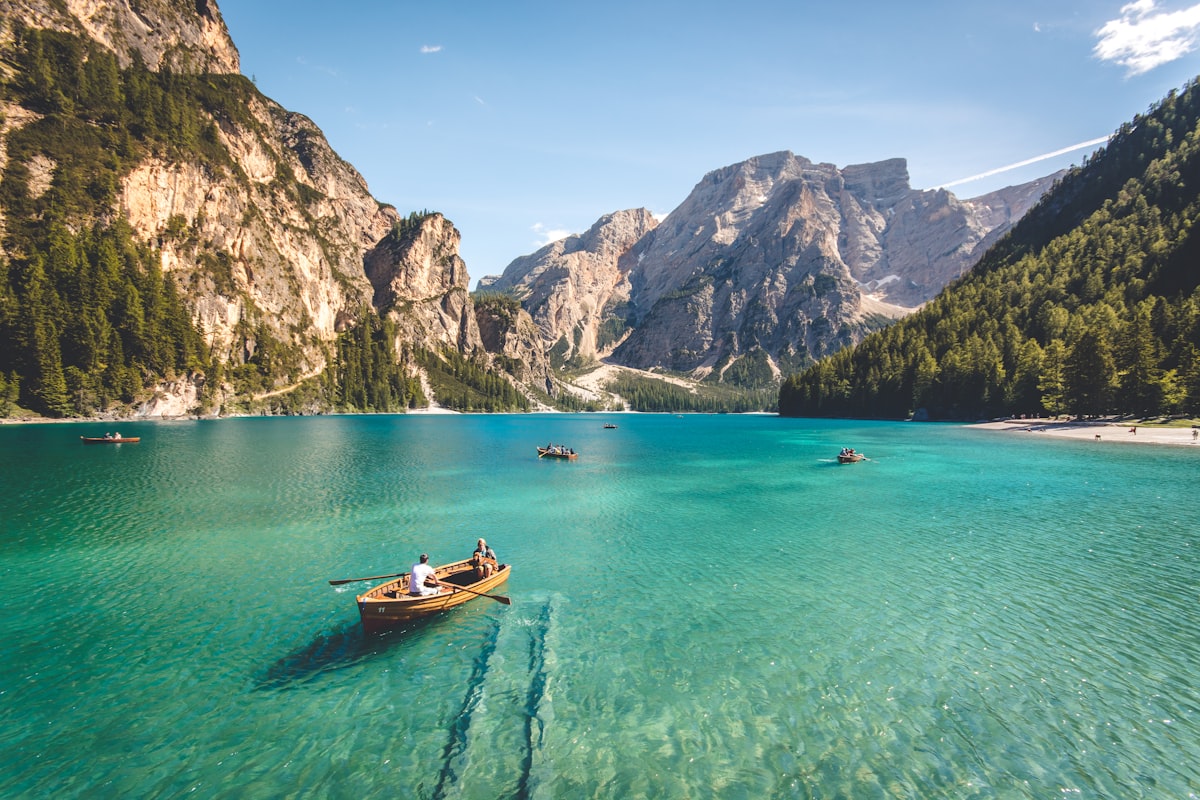
Tanzawa Mountains: Best Riverside Camping Near Tokyo
The Tanzawa Mountains sit in western Kanagawa Prefecture, forming a rugged barrier between the Tokyo metropolitan area and the rural interior. Several rivers cut through the range — the Nakatsugawa, the Sagami, and the Tone tributaries — creating gravel bars and narrow valleys perfect for riverside camping. The best part: many of these spots are free or cost just a few hundred yen, and you can reach them in about 90 minutes from Shinjuku.
Why Tanzawa for riverside camping
Tanzawa offers something rare near Tokyo: genuine mountain scenery with accessible rivers. The water is clear enough to see the bottom in most seasons, and the valleys are steep enough to feel remote even though you are technically still in Kanagawa Prefecture. In summer, the river water stays cool enough for comfortable swimming, while the surrounding forest provides shade that keeps temperatures noticeably lower than central Tokyo.
The area is also popular with Japanese campers who practice "kawara camping" — setting up on gravel bars along the riverbed. This style of camping requires no reservation, no fee, and minimal facilities. You bring everything and take everything home. For more options like this, see our guide to free camping in Japan.
Best riverside camping areas
Nakatsugawa River
The Nakatsugawa flows south through the Tanzawa range and is one of the most popular free camping rivers near Tokyo. Several gravel bar areas along the river between Miyagase and Atsugi are used by campers, especially on weekends from April through October. The water is clean and shallow enough for children to wade safely in many spots.
Access: Take the Odakyu Line to Hon-Atsugi, then a bus toward Miyagase Dam. Alternatively, drive and park at one of the small lots along Route 412. Parking is free at most spots but fills up quickly on summer weekends.
Sagami River
The Sagami is a larger river with wider gravel bars, making it better for groups. The stretch between Sagamihara and Atsugi has several known camping spots where the gravel banks are broad and flat. The river is wider here, so it feels more open than the narrow Nakatsugawa valley.
The Sagami River is also where many of the more established budget campgrounds are located. Some charge 500 to 1,000 yen per tent for a designated spot with toilets and water nearby.
Doshi River
Following the Doshi Valley road (Route 413) west toward Yamanashi Prefecture takes you through a string of campgrounds along the Doshi River. This corridor is known as "Camper's Road" among Japanese outdoor enthusiasts. While many sites here are paid campgrounds (1,000 to 3,000 yen), the river access and mountain setting are excellent.
What to bring for riverside camping
- Ground sheet or tarp — River gravel is bumpy and damp. A thick ground sheet makes a huge difference for sleeping comfort.
- All your water — Free riverside spots have no water supply. Bring at least 2 liters per person per day, more in summer.
- Portable stove and fuel — No facilities means no cooking infrastructure. A compact gas stove with CB canisters (available at hardware stores and convenience stores) is essential.
- Garbage bags (multiple) — You must take all trash home. Separate into burnable, plastic, cans, and PET bottles.
- Water shoes — River gravel is rough on bare feet. Cheap water shoes from Workman or a 100-yen shop work fine.
- Sunscreen and insect repellent — River valleys trap humidity and attract mosquitoes, especially at dusk.
- Cash — If using a paid site, expect cash-only payment.
River safety
Japanese mountain rivers can be deceptively dangerous. The water looks calm most of the time, but conditions change rapidly after rain:
- Flash floods — Rain in the mountains upstream can raise river levels within 30 minutes, even if the sky above you is clear. If you hear a siren or see the water rising, move to higher ground immediately.
- Slippery rocks — River rocks in Japan are often covered in algae that is invisible when dry but extremely slick when wet.
- Cold water — Even in summer, mountain river water is cold enough to cause cramping if you swim for extended periods.
- Dam releases — Some rivers have upstream dams that release water on a schedule. Warning signs in Japanese are posted, but non-Japanese speakers should be aware this happens.
Getting there from Tokyo
By train: Take the Odakyu Line from Shinjuku to Hon-Atsugi (about 50 minutes express, 590 yen). From Hon-Atsugi, local buses run up into the Tanzawa valleys. The Kanachu bus system covers most routes, though service is infrequent outside peak hours.
By car: Take the Tomei Expressway to the Atsugi interchange, then head north on Route 412 or 246 toward the Tanzawa area. Driving gives you much more flexibility for reaching riverside spots that are far from bus stops. The drive from central Tokyo takes about 90 minutes without traffic.
Seasonal notes
- April-May: Water levels are moderate, temperatures are comfortable, and the valley is green. Best overall season.
- June: Rainy season. Rivers run high and muddy. Not recommended for riverside camping.
- July-August: Peak season. Hot and crowded on weekends but the river swimming is at its best. Arrive early on Saturday or camp Friday night.
- September-October: Water levels drop, temperatures cool. Autumn colors begin in late October at higher elevations.
- November-March: Most riverside camping areas are too cold and some are closed. Water levels are low but temperatures drop near or below freezing overnight.
Ready to find a campground?
Browse 173 campgrounds with amenity details, ratings, and English support info.
Browse CampgroundsMore budget camping options
For more free and cheap camping options beyond Tanzawa, read our full Budget Camping in Japan guide. It covers municipal campgrounds, youth outdoor centers, and tips for camping on the cheap across Japan.