Best Auto Camp Sites Near Tokyo
Auto camping — parking your car next to your tent — is the dominant camping style in Japan. Here's what makes it different, and the best sites near Tokyo.
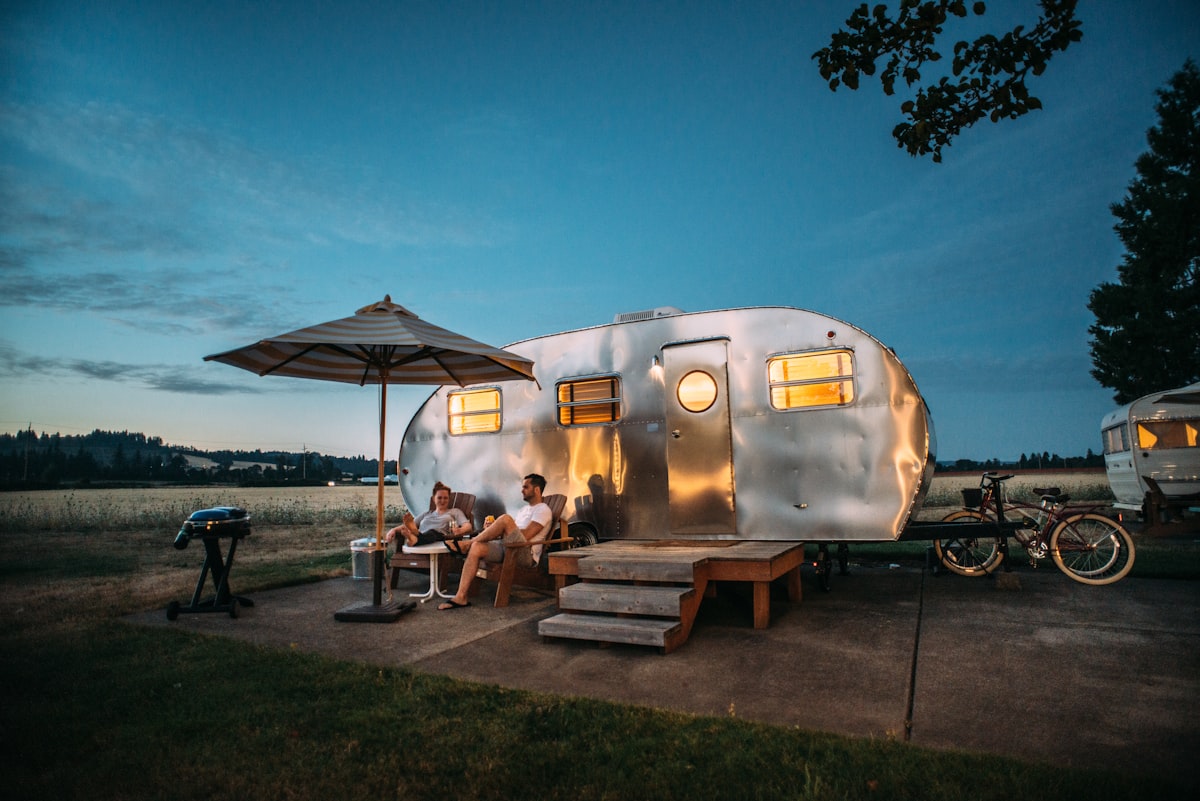
What is auto camping in Japan?
Auto camping (オートキャンプ / ōto kyanpu) means you drive your car directly to your designated campsite and park beside your tent. Each site is a clearly marked space — typically 8×8 to 10×10 meters — with a parking spot, a flat tent area, and usually an AC power outlet. It is the Japanese equivalent of a "drive-in campsite" and it dominates the market so thoroughly that the Japan Auto Camping Association (JAC) — the country's official camping industry body — is literally named after it.
For foreign visitors, auto camp sites offer the easiest camping experience in Japan: you drive in, set up, and have your car right there for storage, power, and emergency shelter if the weather turns. Our beginner's guide recommends auto camp sites as the best starting point for first-timers.
Why auto camp is Japan's most popular camping style
Several factors make auto camping the default in Japan:
- Gear volume — Japanese campers bring extensive gear: large tents, tarps, folding tables and chairs, full cooking setups, takibi stands, and coolers. Carrying all this from a parking lot is impractical.
- Families — Auto camping is overwhelmingly family-oriented. Having the car at the site means easy access to children's supplies, emergency transportation, and shade/rain shelter.
- Infrastructure — Japan's expressway system and well-maintained mountain roads make driving to remote areas straightforward. The toll road network connects Tokyo to Kanagawa's camping areas in 60–90 minutes.
- Culture — Japanese camping culture emphasizes comfort and preparation over minimalism. Auto camp enables this philosophy.
What to expect at an auto camp site
Japanese auto camp sites are standardized to a degree that surprises first-time visitors:
- Designated parking — Your car must stay within your marked site boundaries. No parking on the grass or in neighboring sites.
- AC power (100V) — Most sites include a 100-volt outlet (standard Japanese plug). Bring an extension cord. Power allows you to run lights, charge devices, and even use an electric fan in summer.
- Water access — Shared water taps are located throughout the campground, usually within 50 meters of every site.
- Check-in times are strict — Typically 13:00–17:00. Arrive within this window or you risk losing your reservation. Check-out is usually by 11:00.
- Price range — ¥3,000–8,000 per night for the site (not per person). Premium sites in Hakone can reach ¥10,000+. Budget auto camps start around ¥2,000.
For a full breakdown of what to pack, see our camping packing guide.
Renting a car for camping in Japan
If you don't have your own car, renting is straightforward for foreign visitors:
- International Driving Permit (IDP) — Required for most nationalities. Get one before arriving in Japan. Valid for one year.
- Rental companies — Toyota Rent a Car, Times Car Rental, and Nippon Rent-A-Car are the major chains. Book online in English. Expect ¥5,000–10,000 per day for a compact car.
- Expressway tolls — Budget ¥1,000–2,000 each way for tolls to Kanagawa camping areas. Rent an ETC card with your car for automatic toll payment.
- Navigation — Most rental cars include GPS navigation in Japanese. Use Google Maps on your phone as a backup with English directions.
- Parking at the campground — Always included in the auto camp site fee. No additional parking charges.
Explore all campgrounds
Browse 173 campgrounds with amenity details, ratings, and English support info.
Browse All CampgroundsAuto camp sites
Hokizawaso Glamping Area Moku
箒沢荘グランピングエリア杢
Yamakita
Atsugi Iiyama Campsite
あつぎ飯山キャンプ場
Atsugi
The CLIFF CAMP&BBQ
Yokosuka
Auto Campsite KINOBA
オートキャンプ場 KINOBA
Yamakita
TINY CAMP VILLAGE
Atsugi
LAND KNOT
Fujisawa
世附川ロッジ
Yamakita
管理人常駐貸別荘サンテラス箱根
Hakone
Aonohara Noro Lodge Campsite
青野原野呂ロッジキャンプ場
Sagamihara
Nishitanzawa Nakagawa Lodge
西丹沢中川ロッヂ
Yamakita
Bosco Auto Camp Base Kanagawa Campsite
ボスコ・オート・キャンプ・ベース 神奈川 キャンプ場
Hadano
Lotus Camp Village
Oiso