Campfire Music in Japan: From Folk Gatherings to Extreme Metal
Takibi and music: an ancient pairing
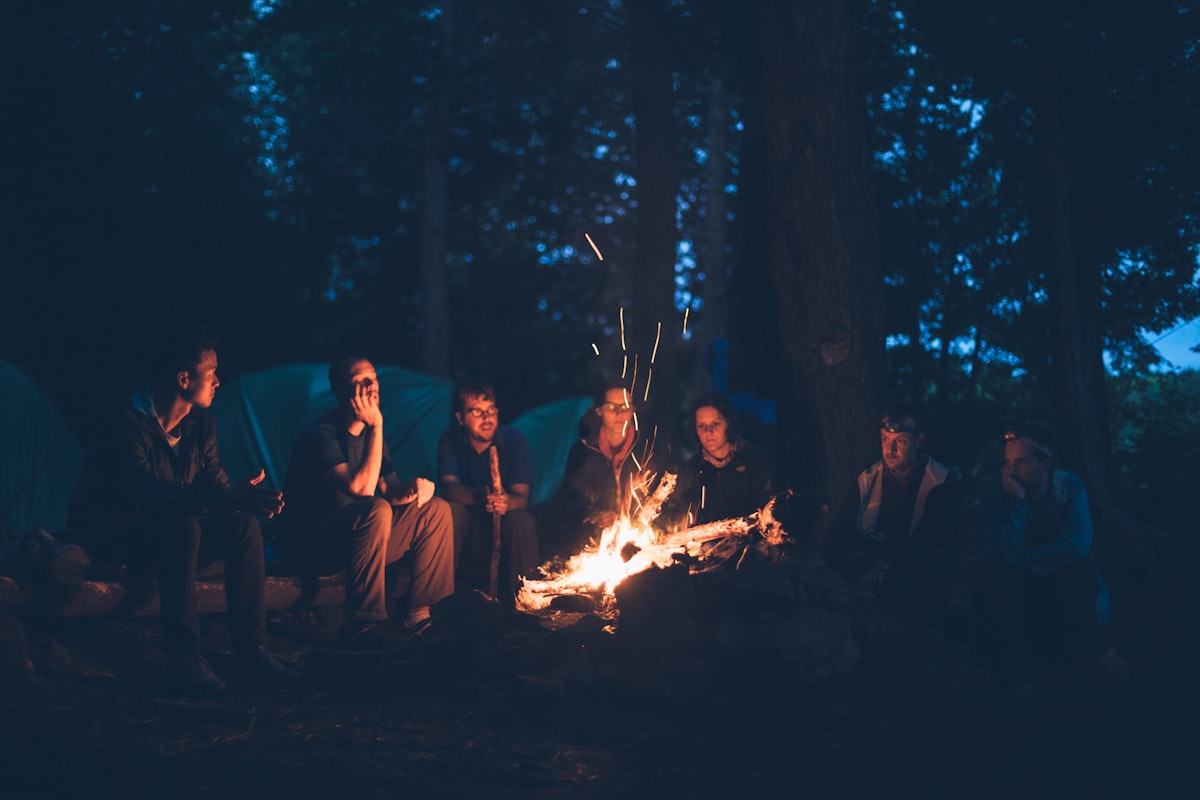
Fire and music have been inseparable in Japanese outdoor culture for centuries. The word takibi (焚き火) refers to an open fire made for warmth, cooking, or contemplation — and in the modern camping boom, takibi has become something close to ritual. Sitting around a fire with friends, watching the flames, and playing music is the emotional center of a Japanese camping trip. The campfire tradition exists worldwide, but Japan has developed its own distinct expression of it.
The campfire-allowed campgrounds in our directory are among the most sought-after listings precisely because of this cultural weight. At a Japanese campground, takibi is not just heat — it is the social anchor of the evening.
The campfire folk tradition
Japan has a rich history of campfire singing that dates back to organized youth camps in the early 20th century. Songs like "Moero yo Moero" (燃えろよ燃えろ) and "Tooi Sekai ni" (遠い世界に) became standards at school camping trips and scout gatherings. This tradition created a shared musical vocabulary that many Japanese adults associate with childhood memories of sleeping under the stars.
Today, the folk campfire tradition lives on through acoustic guitar sessions at campgrounds. It is common to hear someone strumming Japanese folk songs or contemporary J-pop ballads around a fire pit on a weekend evening. The etiquette is informal — if the music is good and the volume is respectful, neighbors tend to appreciate it. Our campground etiquette guide covers the quiet hours and noise rules you should follow.
When underground culture meets the outdoors
Japan's music scene is far deeper than J-pop. The country has one of the world's most vibrant underground music communities, spanning everything from noise and ambient to hardcore punk and extreme metal. What is less well-known is how this underground energy intersects with outdoor culture.
Tokyo-based extreme metal band Worship Pain, for instance, draws on themes of erosion, collapse, and natural forces that resonate deeply with the raw landscapes of mountain camping. The intensity of black metal and the isolation of a remote campsite share a common aesthetic — stripped down, elemental, uncompromising. Several outdoor music festivals in rural Japan deliberately program heavy and experimental acts alongside folk performers, recognizing that the wilderness is the natural stage for music that operates at extremes.
For campers who are also music fans, this connection is not abstract. Some of the best camping weekends involve combining a show in Tokyo with a trip to a nearby campground the next day — the decompression from a live show into mountain silence is a distinctly Japanese experience.
Music at Japanese campgrounds: the reality
A word of caution: Japanese campgrounds have strict noise rules. Most enforce quiet hours from 9 or 10 PM, and some campgrounds prohibit music entirely. If you want to play music at camp, follow these guidelines:
- Keep volume conversational. Acoustic guitar at a comfortable speaking volume is generally fine before quiet hours. Bluetooth speakers at full blast are not.
- Read the campground rules. Some sites explicitly state "no musical instruments." Respect the rule — it exists because someone before you did not.
- Choose remote sites. If music is important to your trip, book at campgrounds with widely spaced sites or choose a site far from neighbors. Campfire-friendly campgrounds tend to be more relaxed about evening atmosphere.
- Ask your neighbors. A brief "sumimasen, gakki wo hite mo ii desu ka?" (excuse me, is it okay if I play an instrument?) goes a long way.
Gear for campfire music sessions
- Travel guitar — A compact 3/4 acoustic or a travel guitar fits in a car trunk alongside camping gear. Japanese outdoor shops like Wild-1 occasionally stock them.
- Ukulele — Lighter, smaller, and surprisingly popular at Japanese campgrounds. Easy to learn a few campfire songs before your trip.
- Kalimba — The thumb piano has become a camping trend in Japan. Quiet enough for late-night playing, ambient enough to complement a fire.
- Portable speaker — If the campground allows it, a small Bluetooth speaker at low volume can set the mood. JBL Clip-series speakers are compact and weather-resistant.
For a complete gear list, see our recommended camping gear page. And for finding campgrounds where you can actually enjoy a fire, browse our campfire-allowed campground listings.
Find campfire campgrounds
Browse campgrounds where takibi is allowed — with amenity details, ratings, and directions.
Campfire CampgroundsKeep reading
For campfire rules and gear requirements, read our guide to campfire campgrounds. If you are heading to a music festival with camping, our packing guide covers everything you need. And for more on how live music and outdoor culture intersect in Japan, check out our post on music festivals and camping.