Campgrounds Where Campfires Are Allowed in Japan
Campfires are a beloved part of Japanese camping culture — but the rules are strict. Here's how takibi works, what gear you need, and where you can enjoy an open fire.
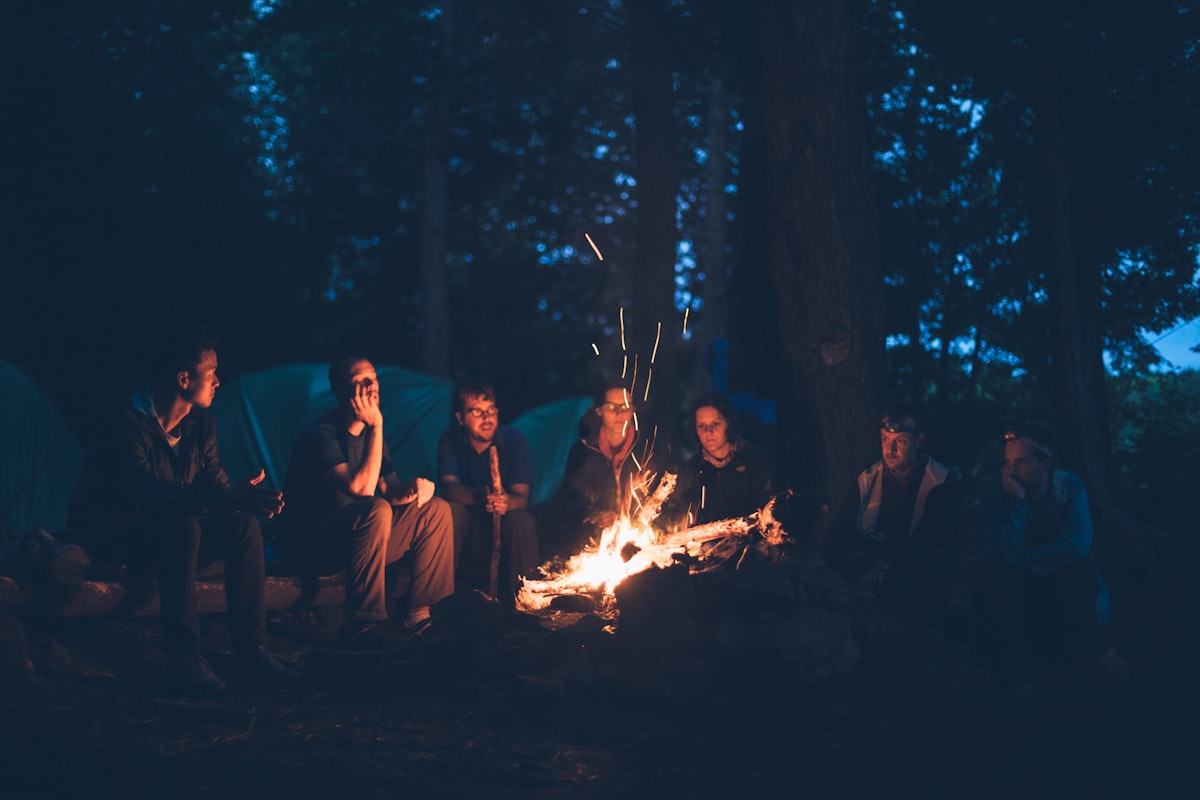
Campfire culture in Japan: takibi (焚き火)
Japan has experienced a massive takibi boom (焚き火ブーム) over the past decade. The word takibi literally means "burning firewood," and it has become almost synonymous with the Japanese camping experience. Social media accounts dedicated entirely to campfire videos have millions of followers. Brands like Snow Peak and SOTO have built entire product lines around elegant fire stands.
For many Japanese campers, the campfire is not about cooking — it is a meditative experience. Sitting around the flames, watching the fire, and enjoying the quiet of the forest is the main event. This cultural emphasis on fire appreciation means campgrounds that allow takibi tend to attract experienced, respectful campers.
Why most campgrounds ban ground fires
In Japan, ground fires are almost universally prohibited at organized campgrounds. This is not a suggestion — it is a firm rule with cultural and practical roots. Japanese forests are dense and the climate is humid, creating conditions where fire can spread quickly through leaf litter. Additionally, ground fires leave permanent scorch marks that violate the Leave No Trace principles that Japanese outdoor culture takes seriously.
Even campgrounds listed as "campfire allowed" require you to use a raised fire stand (takibi-dai) rather than making a fire directly on the ground. If you are caught making a ground fire, you may be asked to leave immediately. For a full breakdown of campground rules, read our guide to Japanese campground etiquette.
Campfire rules you must follow
- Always use a fire stand (takibi-dai / 焚き火台) — No exceptions. The stand must be raised high enough that heat does not damage the ground beneath it. Use a fire-resistant sheet underneath.
- Buy firewood on-site or nearby — Most campgrounds sell bundles of firewood (薪/maki) for ¥500–800. Do not collect wood from the forest — this is prohibited at virtually all Japanese campgrounds.
- Extinguish completely before sleep — Douse with water, stir the ashes, and douse again. Japanese campgrounds expect fires to be fully out by quiet hours (22:00).
- Dispose of ash properly — Many campgrounds have a designated ash disposal area (灰捨て場). If not, carry out your cooled ash in a bag.
- Watch the wind — If conditions are windy, do not light a fire. Some campgrounds will announce fire bans on windy days.
Essential campfire gear: the takibi-dai
The takibi-dai (焚き火台) is a portable, raised fire stand that is absolutely essential for campfires in Japan. Without one, you cannot have a fire at any campground. Popular models include the Snow Peak Takibi (premium, ¥16,000+), the Captain Stag Kamado (budget-friendly, ¥3,000–5,000), and the Uniflame Fire Stand (compact, ¥6,000).
You can buy a budget takibi-dai at Workman (ワークマン) outdoor shops for under ¥3,000. Some campgrounds rent them for ¥500–1,000 per night — ask at reception. You will also need a fire-resistant ground sheet, fire tongs, and a fireproof glove. For a full gear list, see our packing guide.
Explore all campgrounds
Browse our full directory with amenity filters, ratings, and English support info.
Browse All CampgroundsCampgrounds where campfires are allowed
Family Oiso Campsite
ファミリエ 大磯キャンプ場
Oiso
The CLIFF CAMP&BBQ
Yokosuka
Auto Campsite KINOBA
オートキャンプ場 KINOBA
Yamakita
LAND KNOT
Fujisawa
DAN OISO
Oiso
世附川ロッジ
Yamakita
Moroisoso
Miura
管理人常駐貸別荘サンテラス箱根
Hakone
Aonohara Noro Lodge Campsite
青野原野呂ロッジキャンプ場
Sagamihara
Miroku Campsite
ミロクキャンプ場
Matsuda
Minoishi Falls Campsite
みの石滝 キャンプ場
Sagamihara
Hachikaen Yadorogiso
蜂花苑やどろぎ荘
Matsuda