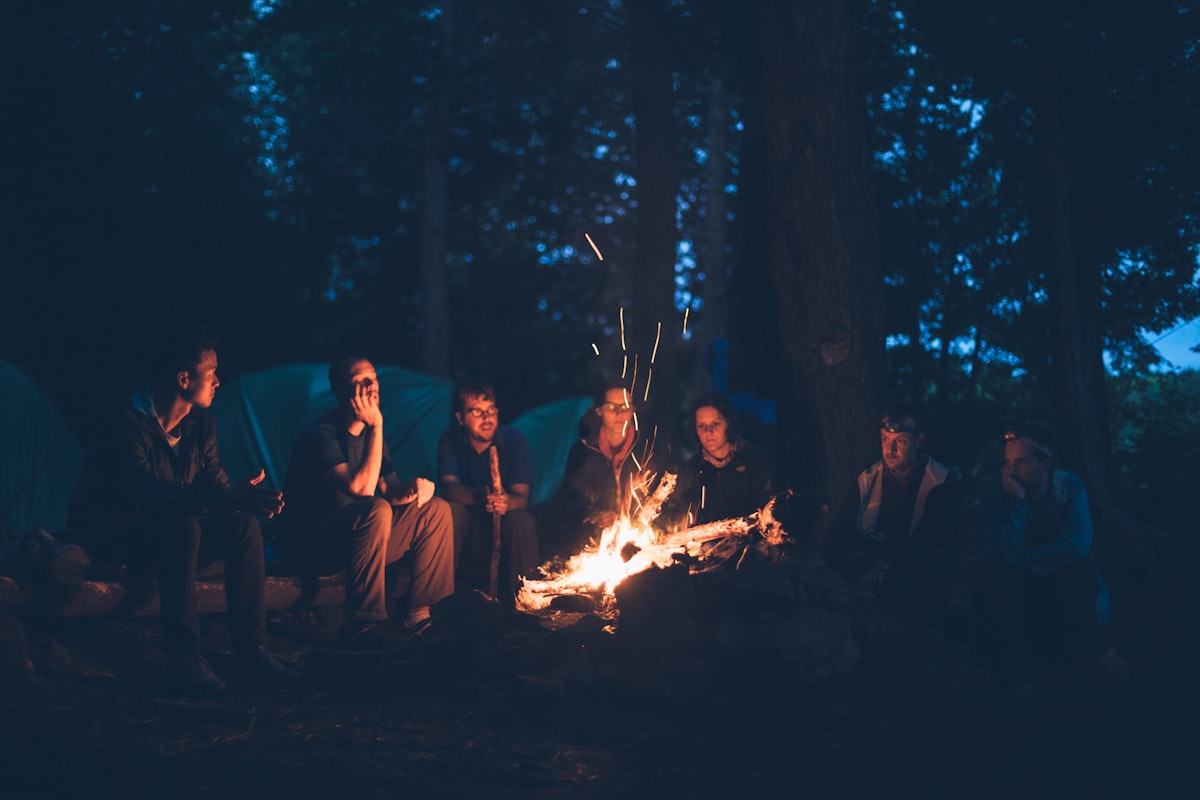
Music Festivals and Camping in Japan: Where Live Music Meets the Outdoors
Every July, roughly 40,000 people haul tents, tarps, and rain gear into the mountains of Niigata Prefecture for three days of music in a cedar forest. Fuji Rock Festival is Japan's largest outdoor music event and one of the world's great camping festivals — a place where international headliners share the weekend with obscure Japanese noise acts, and where the camping experience is treated with as much seriousness as the lineup itself. But Fuji Rock is only the most visible expression of a deep connection between live music and outdoor culture in Japan.
Fuji Rock: the original camping festival
Fuji Rock launched in 1997 at the base of Mount Fuji (it moved to the Naeba Ski Resort in Niigata two years later). From the beginning, it was modeled on European camping festivals like Glastonbury, but the Japanese execution brought its own character. The site is carved into a mountain valley at roughly 900 meters elevation, surrounded by dense forest. Boardwalks connect the stages. Streams run through the campgrounds. The air smells like wet cedar.
What distinguishes Fuji Rock from its Western counterparts is the infrastructure and the crowd behavior. The campgrounds are orderly — tents are pitched in reasonably neat rows, common areas are kept clean, and quiet hours are actually observed. Trash separation is taken seriously, with festival-goers sorting their waste into the same categories used across Japan. First-time visitors from abroad are often struck by the contrast: a festival where 40,000 people leave the site cleaner than they found it.
For camping logistics, Fuji Rock offers designated tent areas at varying distances from the main stages, along with a limited number of pre-pitched glamping options. The terrain is hilly and the weather is unpredictable — typhoon season overlaps with the festival dates — so waterproof gear is essential. See our packing guide for the essentials, and add heavy-duty rain protection to the list.
Beyond Fuji Rock: outdoor music across Japan
Japan hosts dozens of outdoor music festivals with camping components. Rising Sun Rock Festival in Hokkaido runs overnight into the sunrise — a literal all-night event that takes advantage of Hokkaido's short summer nights. New Acoustic Camp in Gunma focuses on acoustic and folk performances in a forested campground setting. Rural in Shiga occupies an abandoned school campus, blending electronic music with the atmosphere of a forgotten village.
The JNTO festivals page lists major events, but many of the best camping-friendly festivals are smaller, regional affairs that operate through word of mouth and social media. These range from reggae gatherings in the mountains of Nagano to techno events on the beaches of Chiba. The common thread is the setting: Japanese festival organizers consistently choose locations where the natural environment is a feature, not an afterthought.
What makes Japanese festival culture different
Western festival culture tends toward excess — the music is the excuse, the party is the point. Japanese festivals invert this. The music is treated with genuine reverence. Audiences are attentive and surprisingly quiet between songs. Moshing exists but stays contained. The camping areas function as actual campgrounds where people cook real meals, maintain their sites, and sleep at reasonable hours.
Food at Japanese festivals reflects this seriousness. Instead of generic vendor fare, you find regional specialties: fresh soba, local craft beer, grilled mochi, and seasonal fruit. Many festival-goers bring their own cooking equipment — compact stoves, rice cookers, even pour-over coffee setups — turning their campsite into a proper outdoor kitchen. For advice on gear purchasing, our guide to affordable camping gear in Japan covers where to find quality equipment at reasonable prices.
The underground and indie connection
Japan's music scene has always had a vibrant underground layer that operates outside the mainstream industry, and this world increasingly intersects with outdoor culture. Independent promoters organize intimate forest gatherings and riverside events that blend live performance with camping — events where the audience might be 50 people and the performer plays from a clearing between the trees.
Tokyo's live music infrastructure — the dense network of small live houses in Shimokitazawa, Koenji, and Shinjuku — feeds this outdoor circuit. Bands that play basement venues on weeknights perform at mountain festivals on weekends. Platforms like Kaala, which covers Japan's underground and independent music scene, document this ecosystem where DIY culture, live performance, and the outdoors overlap in ways that feel distinctly Japanese. The energy of a Tokyo basement show and the silence of a Tanzawa forest campsite are not opposites — they are two expressions of the same impulse to seek out authentic, unmediated experience.
Preparing for festival camping
Festival camping in Japan requires more preparation than a standard campground trip. Key considerations:
- Tickets sell fast — Major festivals sell out weeks or months in advance. Camping tickets are separate from music tickets at most events and go even faster.
- Rain gear is non-negotiable — Summer festival season overlaps with the tail end of tsuyu (rainy season) and the start of typhoon season. Pack waterproof boots, a quality rain jacket, and tarps for your tent.
- Compact gear wins — You will carry everything from a shuttle bus or parking area. Ultralight tents and sleeping bags make a real difference after a long walk uphill.
- Respect the campground — Japanese festival etiquette applies to the tent areas too. Keep your site tidy, observe quiet hours, and sort your trash. Read our campground rules and etiquette guide for the cultural context.
- Cash and IC cards — Many festival vendors accept only cash or prepaid IC cards. ATMs on site may have long queues. Bring enough yen for the weekend.
- Sunscreen and shade — Mountain festivals have intense UV exposure at altitude. A tarp for daytime shade at your campsite is as important as rain protection.
For a complete breakdown of what to bring on any camping trip in Japan, our beginner's guide covers the fundamentals.
Find your base camp
Browse campgrounds near major festival venues — extend your trip with a few extra nights in the mountains.
Browse CampgroundsKeep reading
New to camping in Japan? Start with our complete beginner's guide. For the cultural side of campfire gatherings — acoustic sessions, folk traditions, and the spiritual dimension of fire and music — read our guide to campfire music culture in Japan.