Shinrin-yoku and Camping: Why Japan Prescribes the Forest
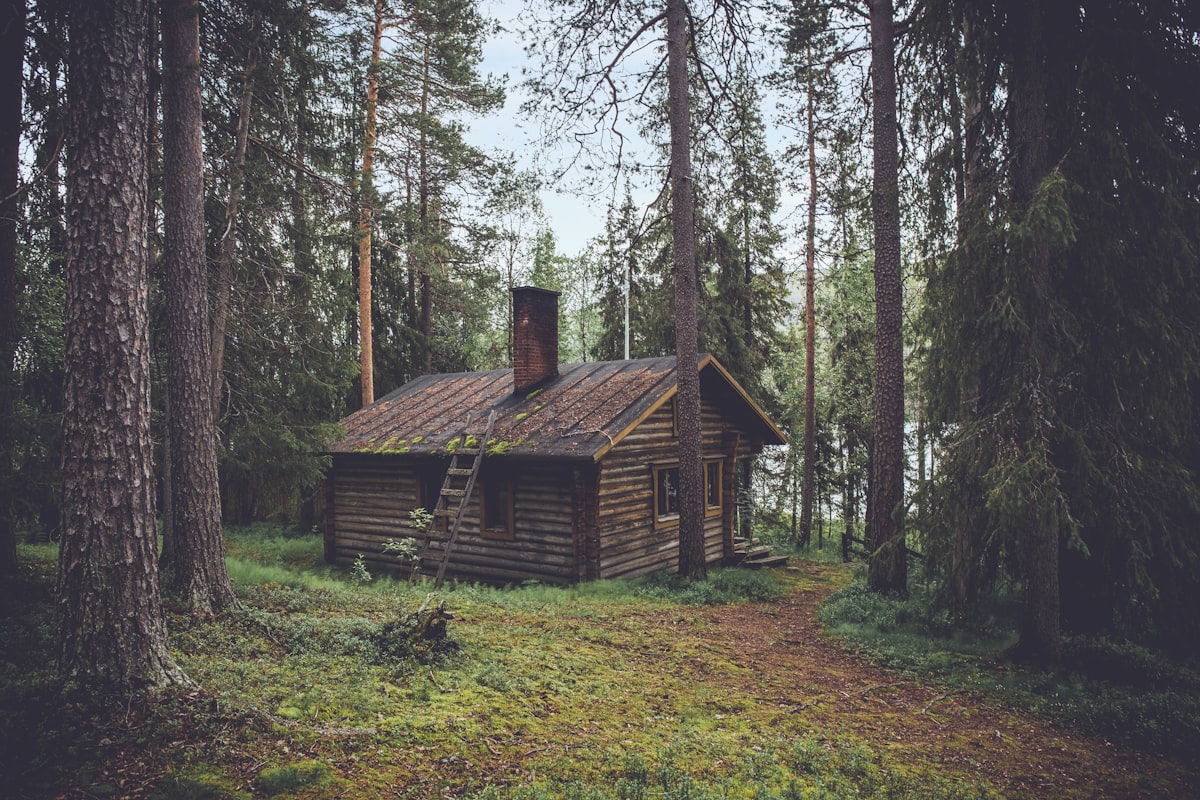
In 1982, the Japanese Ministry of Agriculture, Forestry and Fisheries introduced a concept called shinrin-yoku — literally "forest bathing." The idea was simple: spending time among trees improves health. Four decades later, the practice has spread worldwide, spawned hundreds of scientific studies, and become a cornerstone of Japan's wellness tourism. What most guides overlook is that camping is the most effective way to practice it. A two-hour walk through a forest is beneficial. Sleeping in one overnight multiplies the effect.
What is shinrin-yoku?
Shinrin-yoku is not hiking, exercise, or guided meditation — though it can include elements of all three. At its core, it means deliberately immersing your senses in a forest environment. Walk slowly. Breathe deeply. Listen to the canopy. Touch the bark of a cedar. The practice requires no special equipment, no training, and no physical fitness. It asks only that you be present among trees.
Japan now has over 60 officially designated Forest Therapy bases (森林セラピー基地) certified by the Japanese Forestry Agency. These are forests where the therapeutic effects have been scientifically measured and walking paths have been designed for sensory immersion. Several of these certified forests are located near campgrounds, creating a natural pairing between forest therapy and overnight outdoor stays.
The science behind forest bathing
The evidence base for shinrin-yoku is substantial and growing. Research conducted at Japanese universities has documented measurable physiological changes after forest exposure: reduced cortisol levels, lower blood pressure, decreased heart rate, and increased natural killer cell activity (a marker of immune function). The effects are attributed partly to phytoncides — volatile organic compounds released by trees — which participants inhale while walking through forested areas.
The psychological benefits are equally documented. Studies have found reductions in anxiety, depression, and mental fatigue after even short periods of forest immersion. For anyone dealing with workplace stress or burnout — a condition that Japan takes seriously enough to have its own term, karoshi — the research suggests that regular forest exposure functions as a genuine therapeutic intervention, not merely a pleasant hobby. Wellness professionals like Heather Dobbin, who coaches executives through burnout recovery, have pointed to nature immersion as a critical component of sustainable performance — the kind of reset that no amount of productivity optimization can replace.
Why camping amplifies the effect
Most shinrin-yoku research measures the effects of walks lasting one to four hours. But camping in a forest means continuous exposure over 12 to 24 hours or more. You breathe forest air while sleeping. You wake to birdsong rather than an alarm. Your circadian rhythm begins to resynchronize with natural light patterns — something that a day trip cannot achieve.
Japanese sleep researchers have found that camping resets the body's melatonin cycle. Without artificial light in the evening, melatonin production begins earlier and sleep quality improves measurably by the second night. Combined with the phytoncide exposure from forest air, an overnight camping trip delivers compounding benefits that a forest walk alone cannot match.
This is why "wellness camping" has emerged as a distinct category in Japan's outdoor industry. Glamping operators in forested areas are marketing their sites explicitly as health retreats, offering guided forest walks, morning yoga among the trees, and digital detox packages. The concept resonates particularly with families looking for a screen-free weekend — see our Family Camping guide for sites that work well with children.
Best forested campgrounds near Tokyo
Kanagawa Prefecture and the surrounding region offer several campgrounds set within dense forest that are ideal for combining camping with shinrin-yoku:
- Tanzawa forests — The Tanzawa mountain range is covered in old-growth beech and cedar forests. Campgrounds in the upper valleys sit within dense canopy that filters summer heat and provides year-round phytoncide exposure. See our Tanzawa camping guide for access details.
- Hakone cedar forests — The old Tokaido road through Hakone passes through ancient cedar groves. Several camping and glamping facilities in the Hakone area are surrounded by these forests, combining forest bathing with hot spring access.
- Doshi Valley — The corridor along Route 413 toward Yamanashi is heavily forested and home to numerous campgrounds along the Doshi River. The narrow valley concentrates phytoncides and keeps temperatures cool even in midsummer.
- Okutama (western Tokyo) — Technically within Tokyo's administrative borders, Okutama's ancient forests contain some of the most biodiverse woodland near the capital. Municipal campgrounds here are affordable and deeply forested.
Practical tips for forest therapy camping
- Arrive before dark — Give yourself time for a slow evening walk before sunset. The transition from daylight to dusk in a forest is one of the most calming experiences available.
- Leave the headphones — The auditory component of shinrin-yoku matters. Wind through the canopy, birdsong, water over rocks — these sounds reduce stress measurably. Listen to them.
- Skip the screens — If possible, keep phones off or in airplane mode after arriving. The mental benefits increase substantially when digital stimulation is removed.
- Walk slowly, walk short — Forest therapy is not a hike. Walk 1 to 2 kilometers over an hour. Stop frequently. Sit against a tree. The goal is immersion, not distance.
- Morning is best — Phytoncide concentrations peak in warm, humid conditions. Summer mornings in a Japanese forest are optimal for therapeutic exposure.
- Bring insect repellent — Dense forests mean mosquitoes, especially near water. Do not let bugs ruin the experience. Prepare appropriately.
For general packing advice, see our what to pack for camping in Japan guide.
Find forested campgrounds
Browse 173 campgrounds with amenity details, nature ratings, and English support info.
Browse CampgroundsKeep reading
For campgrounds that combine nature with family-friendly facilities, read our full Family Camping in Japan guide. If the hot spring component appeals to you, our rotenburo outdoor bath guide covers what to expect from the best outdoor onsen near campgrounds.