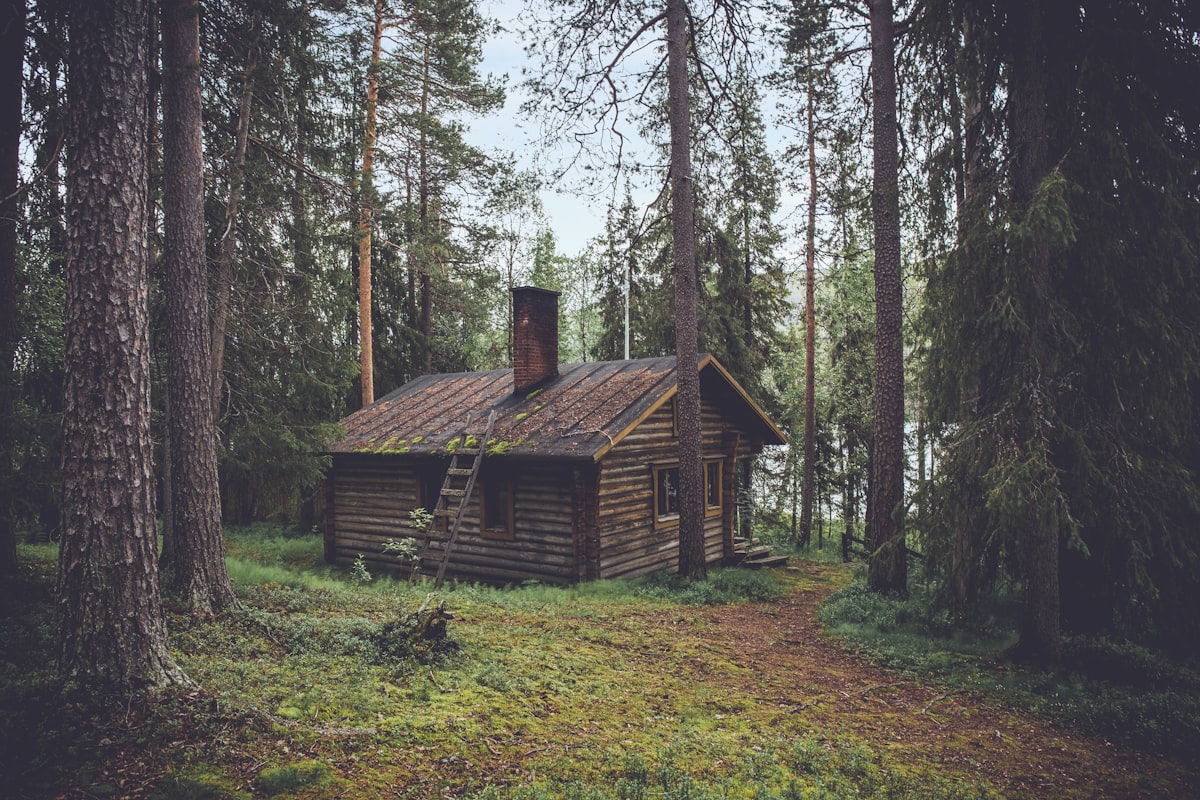
Best Cabin Campgrounds for Families Near Tokyo
Tent camping with young children is an adventure — sometimes more than parents bargained for. Japanese cabin campgrounds offer a middle ground: you get the outdoor experience, the campfire, the fresh air, and the nature, but with a solid roof overhead and a door that locks. For families visiting Japan and unsure about traditional camping, cabins are the smart starting point.
Why cabins are ideal for families
- No setup stress — Arrive, unload, done. No struggling with tent poles while toddlers wander.
- Weather protection — Rain, wind, and cold are non-issues. Japanese mountain weather is unpredictable, especially in spring and autumn.
- Security — A door that closes gives peace of mind with small children, especially at night.
- Comfort — Raised wooden floors stay dry. Many cabins have electricity for charging devices and running a heater or fan.
Japan's cabin campgrounds are exceptionally well-maintained compared to most countries. The Japan National Tourism Organization highlights outdoor accommodation as a growing segment for family tourism, and campground operators have responded with improved cabin facilities.
Types of cabins in Japan
Japanese campgrounds use several terms for cabin-style accommodation:
- Bungalow (バンガロー) — Basic wooden structure with a roof, walls, and raised floor. Usually no furniture — bring your own sleeping bags. The most affordable option at 5,000 to 10,000 yen per night.
- Cottage (コテージ) — More complete than bungalows. Often includes a kitchen, bathroom, and beds or futons. Feels more like a small holiday rental. 10,000 to 25,000 yen per night.
- Cabin (キャビン) — Mid-range between bungalow and cottage. Usually has electricity and basic furniture but may share bathrooms. 8,000 to 15,000 yen per night.
- Log house (ログハウス) — Similar to cottages but with a more rustic, log-cabin aesthetic. Often found in mountain settings.
What to look for
- Auto camp access — Can you park next to the cabin? Essential when hauling kids' gear.
- Clean toilet facilities — Western-style flush toilets are preferable with young children. Most cabin campgrounds have them.
- River play area — A shallow stream near the campground is the best entertainment for kids aged 3 and up.
- BBQ equipment rental — Many sites rent grills, charcoal, and cooking sets, so you do not need to bring your own.
- On-site or nearby bath — Showers or an onsen bath make the trip much easier with young children who get dirty quickly.
Best areas near Tokyo
- Sagamiko area — 60 minutes from Shinjuku. PICA Sagamiko and surrounding campgrounds offer a range of cabin options with lakeside settings.
- Tanzawa — 90 minutes from Shinjuku. Mountain cabin campgrounds along the Nakatsugawa and Doshi rivers. More rustic but great river access for kids.
- Hakone — 90 minutes from Shinjuku. Some campgrounds here combine cabins with hot spring access — a huge bonus for families. See our Hakone glamping guide for the luxury end.
- Boso Peninsula (Chiba) — 90 minutes from Tokyo. Beach-adjacent cabin campgrounds. Good for families who want sand rather than mountains.
What to bring to a cabin campground
Even with a cabin, you still need to bring some essentials. Most bungalow-style cabins provide only the structure:
- Sleeping bags and mats (or rent at site)
- Flashlights and headlamps (many cabin areas are dark at night)
- Food and cooking supplies (or arrange BBQ rental)
- Indoor shoes / slippers (cabins have raised floors — no outdoor shoes inside)
- Insect repellent (essential May through October)
- Water shoes for river play
For the complete checklist, see What to Pack for Camping in Japan.
Booking tips
- Book early — Cabin campgrounds fill up faster than tent sites because supply is limited. Book 1 to 2 months ahead for weekends.
- Golden Week and Obon — Late April/early May and mid-August are peak family travel periods. Cabins sell out months in advance.
- Weekday savings — Tuesday through Thursday stays are often 30 to 40% cheaper than weekends.
- Nap-camp (なっぷ) — The largest Japanese campground booking platform. Filter by バンガロー or コテージ. See our booking guide for help navigating it.
Find family-friendly campgrounds
Browse campgrounds with cabins, clean facilities, and activities for kids.
Browse CampgroundsKeep reading
For the full guide to family camping, read our Family Camping in Japan guide. For more practical tips on managing kids in the Japanese outdoors, check out Camping with Kids in Japan: A Parent's Survival Guide.