English-Friendly Campgrounds Near Tokyo
Most campgrounds in Japan operate entirely in Japanese. These sites have English websites, bilingual signage, or staff who can communicate in English — making them the easiest starting points for foreign campers.
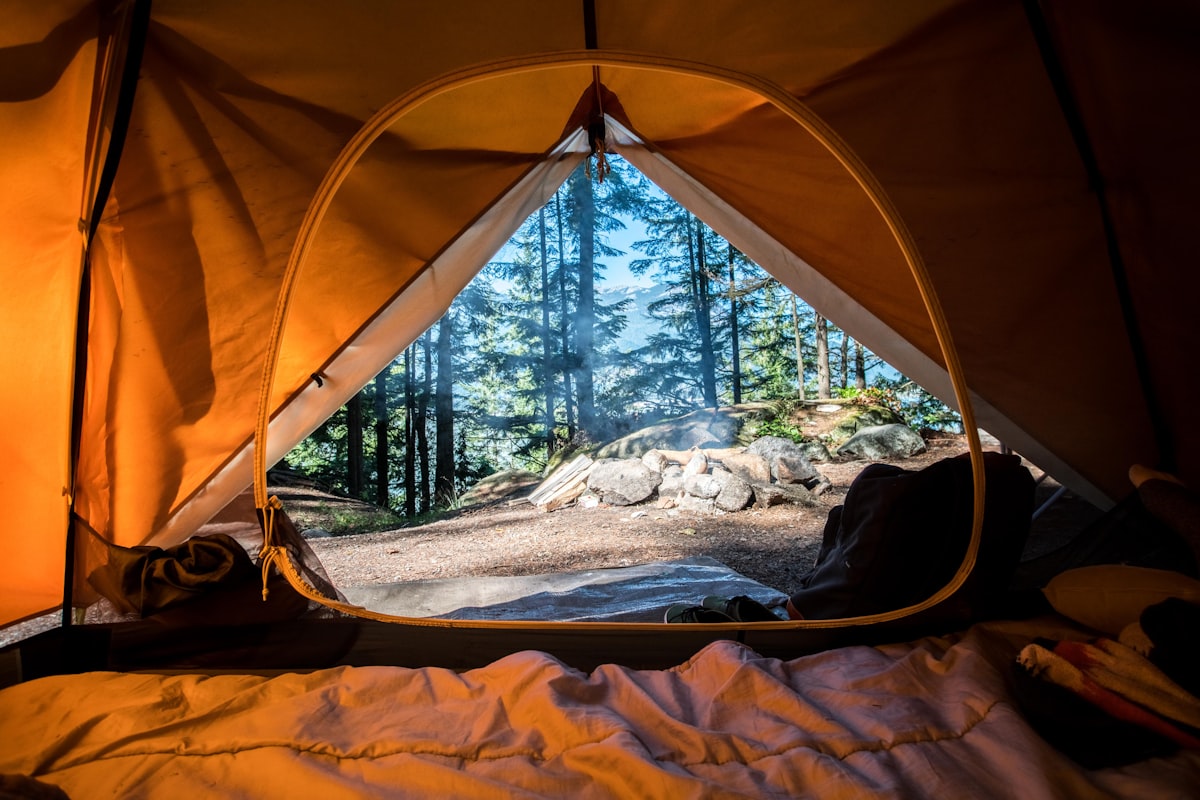
What "English-friendly" means at a Japanese campground
Let's set expectations: even the most English-friendly campground in Kanagawa is not going to feel like checking into a hotel in Tokyo. "English-friendly" exists on a spectrum:
- Full English website with online booking — The gold standard. A handful of glamping resorts and international-oriented facilities offer complete English booking flows. These tend to be higher-end.
- Partial English website — Some campgrounds have English descriptions, pricing, and directions but the actual booking form is in Japanese.
- Bilingual signage on-site — English signs for facilities, rules, and directions. The website may be Japanese-only, but once you arrive you can navigate.
- Staff who try — Many campground staff, especially younger ones, have basic English. They may not be fluent, but combined with Google Translate they can handle check-in and basic questions.
The JNTO visitor guide notes that English availability is growing across Japan's tourism sector, but rural outdoor facilities lag behind urban areas significantly.
How we rate English friendliness
At JaCamp, we check every campground's website for English content and evaluate:
- Does the site have an English version or English page?
- What percentage of key information (pricing, access, rules, booking) is available in English?
- Can the booking process be completed without Japanese?
- Are there reports from English-speaking visitors about the experience?
Campgrounds marked with the EN badge in our directory have at least 30% English content on their website or offer an English booking option.
Tips for camping without Japanese
Even at non-English campgrounds, you can have a great experience with preparation. Our detailed guide on how to book a campground without speaking Japanese walks through the entire process. Key tips:
- Book through Nap-camp with Chrome Translate — Japan's main campground booking platform is Japanese-only, but Chrome's translation is good enough to navigate the booking flow.
- Ask your hotel to call — If the campground requires a phone reservation, hotel front desk staff will often help make the call.
- Print/screenshot your reservation — Show the confirmation at check-in. This bypasses the need for verbal communication.
- Learn five phrases — "Yoyaku" (reservation), "tento saito" (tent site), "check-in," "toire" (toilet), and "arigatou gozaimasu" (thank you) will get you through most interactions.
For the full list of etiquette rules you should know, read our Japanese campground etiquette guide.
Online tools that help
- Google Translate — The camera mode is invaluable. Point your phone at Japanese signs, menus, and forms for instant translation. Download the Japanese language pack for offline use before heading to rural areas.
- Google Maps — Japanese campground listings on Google Maps often have photos, reviews (auto-translated), and navigation. This is the most reliable way to actually find the campground entrance.
- JaCamp — Our campground directory provides English names, amenity details, and directions for every listed site so you know what to expect before booking.
Browse all campgrounds
Filter by English support, amenities, ratings, and location.
Browse All CampgroundsEnglish-friendly campgrounds
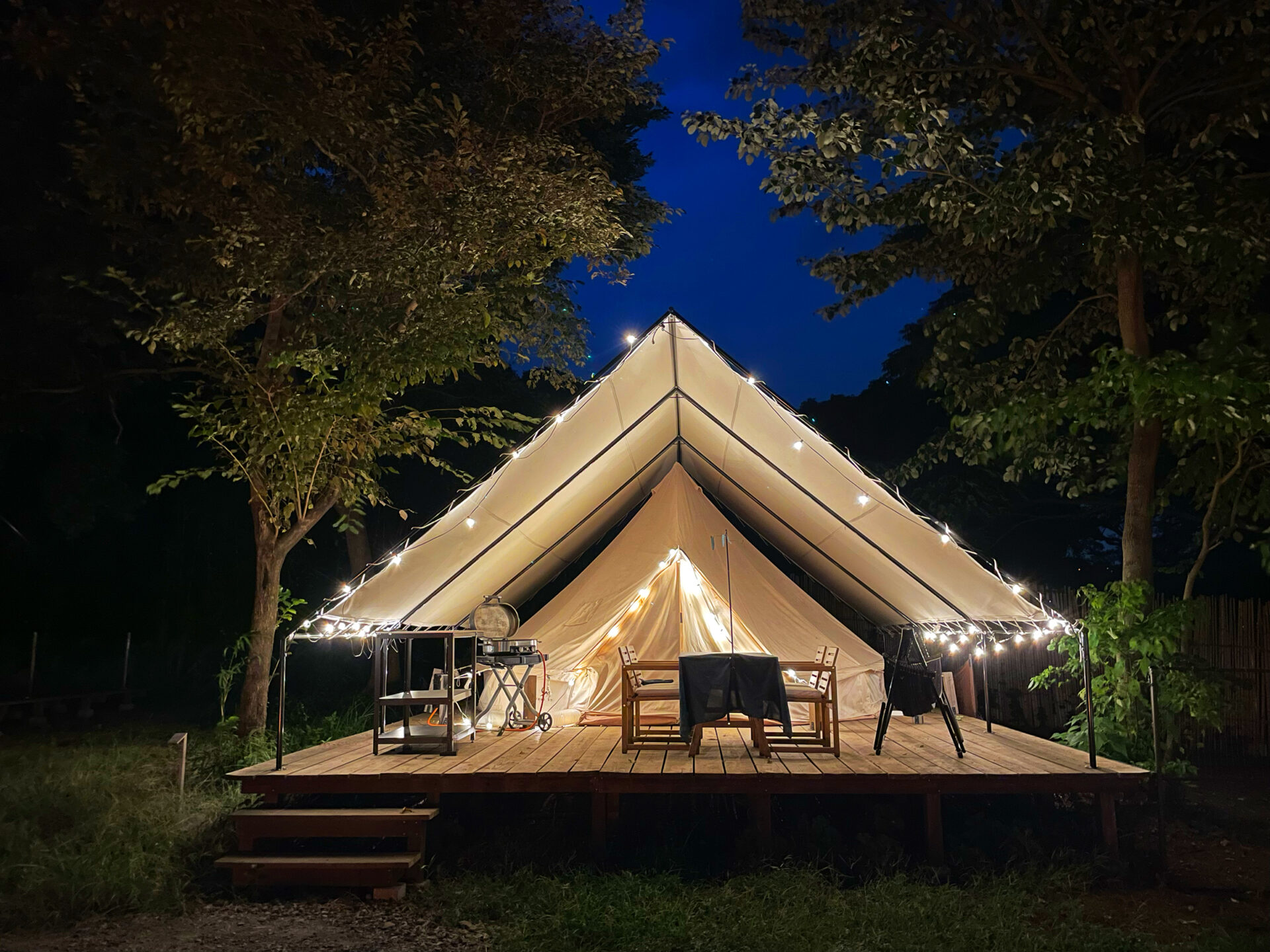
Couscous Glamping Manazuru
クスクスグランピング真鶴
Manazuru
THE BASE GLAMPING YUGAWARA Kanagawa Glamping
THE BASE GLAMPING YUGAWARA 神奈川 グランピング
Yugawara
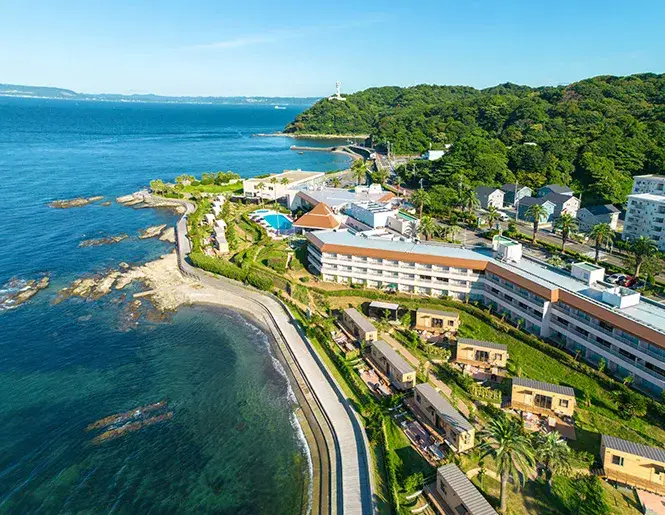
La Vista Yokosuka Kannonzaki Terrace
ラビスタ横須賀観音崎テラス
Yokosuka
PICA Sagami Lake Auto Campsite without power supply
PICA さがみ湖 電源無しオートキャンプサイト
Sagamihara
Soleil Hill Glamping Facility
ソレイユの丘 グランピング施設
Yokosuka
THE BASE GLAMPING YUGAWARA Kanagawa Glamping
THE BASE GLAMPING YUGAWARA 神奈川 グランピング
Yugawara