Winter Glamping in Japan: Why Cold Season Is the Best Time to Go
Most visitors to Japan think of camping as a summer activity. But experienced glampers know that winter — December through February — is arguably the best season. Prices drop by 30 to 50 percent, crowds thin out dramatically, the air is crisp and clear with the best mountain views of the year, and soaking in an outdoor hot spring bath while snow falls around you is one of the most memorable experiences Japan offers.
Why winter glamping works
Traditional tent camping in Japanese winter requires serious gear and experience — overnight temperatures in mountain areas drop below freezing. But glamping eliminates the cold-weather challenges. Glamping units come with:
- Insulated walls and roofs
- Heating systems (kerosene heaters, electric heaters, or underfloor heating)
- Thick bedding and blankets
- Enclosed spaces that retain warmth
You get the winter scenery and experience without the survival aspect. Step outside for a snowy walk or hot spring soak, then retreat to a warm, comfortable space.
Winter pricing advantage
Winter is off-season for most glamping facilities, which means substantial savings:
- Weekday rates drop to their annual lowest — often 12,000 to 18,000 yen per person at sites that charge 25,000 to 40,000 in summer.
- Weekend rates are comparable to summer weekday rates.
- Availability is rarely an issue. You can often book just days in advance, even at popular sites that require months of lead time in summer.
- Exceptions: New Year (December 28 to January 3) is a holiday period with higher prices. Christmas Eve and Christmas Day are also popular dates in Japan.
The winter onsen experience
If there is one reason to try winter glamping, it is the onsen. Soaking in a natural outdoor rotenburo during winter is qualitatively different from any other season. The contrast between the cold air on your face and the 42-degree water enveloping your body creates a sensation that is almost addictive.
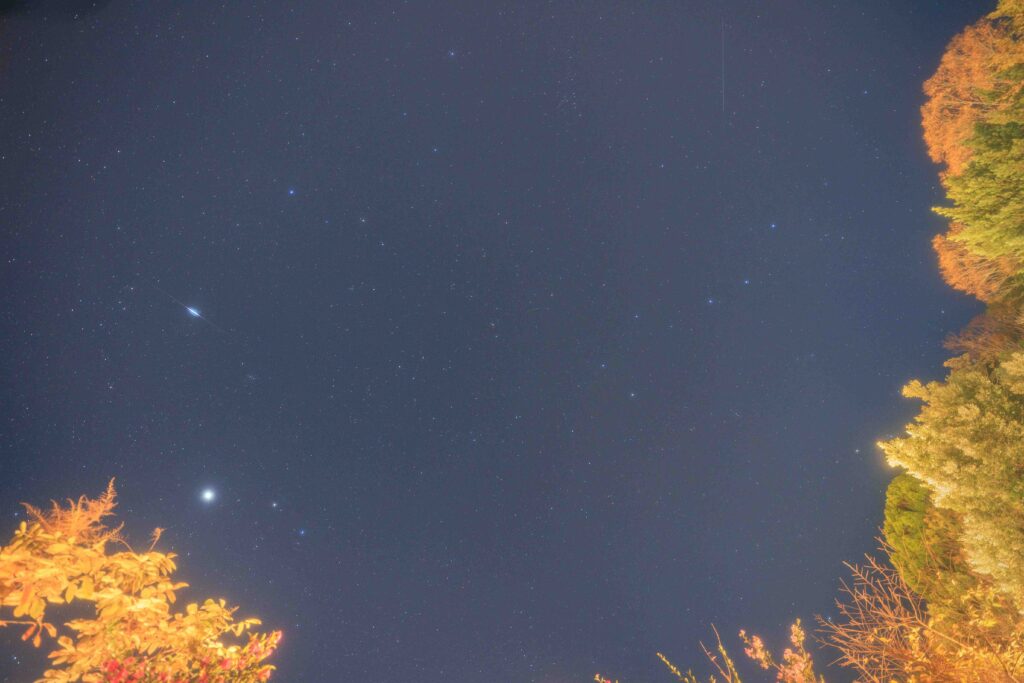
On clear winter nights, many rotenburo offer views of star-filled skies — the dry winter air in Japan produces excellent stargazing conditions. And if you are lucky enough to bathe during a snowfall, you will understand why the Japanese consider winter onsen to be the peak expression of this tradition. Read our onsen etiquette guide before your first visit.
Mt. Fuji visibility
Winter offers by far the best chances of seeing Mt. Fuji from Kanagawa. The cold, dry air clears the haze that obscures the mountain in warmer months. According to meteorological data, Fuji is visible on roughly 70 percent of winter days compared to fewer than 30 percent in summer.
For glamping sites positioned for Fuji views, read our guide to glamping with Mt. Fuji views.
What to expect
- Temperatures: Nighttime lows of -3 to 5°C in mountain areas, 2 to 8°C near the coast. Daytime highs of 5 to 12°C.
- Daylight: Sunset around 16:30 to 17:00. Plan activities accordingly.
- BBQ in winter: Most glamping sites still offer outdoor BBQ, but some switch to indoor hotpot or nabe (鍋) meals during the coldest months.
- Snow: Mountain areas like Hakone occasionally receive snow, but heavy accumulation is uncommon in Kanagawa. Coastal areas almost never see snow.
- Driving: If renting a car, check road conditions in mountain areas. Snow tires or chains may be required on some routes in January and February.
What to bring
- Warm layers — Down jacket, fleece, thermal base layers. Even with heated accommodation, you will spend time outdoors.
- Warm hat and gloves — Essential for evening stargazing and campfire time.
- Hand warmers (カイロ) — Available at every convenience store for 100 to 300 yen. Slip them in your pockets and shoes.
- Warm indoor shoes — For inside the glamping unit. Many have hard floors that get cold.
- Hot drinks — A thermos of hot tea or coffee for outside time makes a big difference.
Best areas for winter glamping
- Hakone — The hot springs alone justify a winter visit. Snow-dusted views of the caldera are stunning. See our Hakone glamping guide.
- Yugawara — Coastal location means milder temperatures than mountain areas, while still offering onsen access.
- Sagamiko — Clear winter air means the best Mt. Fuji views of the year from lake-area glamping sites.
Find glamping near Tokyo
Browse glamping sites with hot springs, cabins, and luxury accommodation.
Browse CampgroundsKeep reading
For the complete glamping guide including all seasons, read our Glamping Near Tokyo guide. New to camping in Japan entirely? Start with our Complete Beginner's Guide.